Mon to Fri, 8:00am to 5:00pmUtalii Court, Gesora Road, Nairobi

+254 184 379 590+254 719 450 317 Altinfo@gstechguard.co.ke

CCTV installation · IP cameras · remote viewing

CCTV Installation in Nairobi and Across Kenya

GS TechGuard handles CCTV installation in Nairobi for offices, apartments, schools, shops and warehouses. We survey the site, plan every camera view, run tidy cabling, set up recording and remote viewing, then train your team before we hand over.

  • Site survey and camera plan before any quote
  • IP cameras, NVR recording and phone viewing
  • Maintenance and repair after handover
GS TechGuard technician fixing an IP camera to an outside wall during a CCTV installation in Nairobi

A camera system only helps when it records the right things, keeps the footage long enough and still works on the day you need it. That is the standard we design to. Whether you need four cameras for a shop or sixty for a warehouse yard, every CCTV installation in Nairobi starts the same way: a walk around the site with the person who knows it best.

This page explains what our work includes, how we choose equipment, what affects the price and what happens after handover. If you already know what you need, request a site survey and we will book a visit.

How it works

What a CCTV installation in Nairobi includes

Most problems with poor systems start before a single camera goes up. For example, a camera points at a gate from too far away, so it shows a car but never a number plate. Our process avoids that.

  1. Site survey. We walk the site with you, note the entrances, blind spots, lighting and power points, and agree what each camera must show.
  2. Camera plan. You receive a simple plan with camera positions, the view each one covers, the lens type and the recording time we expect.
  3. Cabling and mounting. Our team runs network cable in conduit or trunking, fixes cameras at the right height and seals outdoor joints against rain and dust.
  4. Recorder setup. Next, we install the NVR, fit the hard drives, set recording schedules and motion rules, and sync the clock so footage stands up as evidence.
  5. Remote viewing. After that, we connect the system to your network and set up the mobile app with separate logins for owners and guards.
  6. Handover. Finally, we test every camera by day and night, show your team how to find and export footage, and leave a written record of the setup.

A small shop is often ready in one day. A large compound may take a week or more, mainly because of cable runs and access.


PTZ dome camera mounted under a roof

CCTV

IP cameras or analogue: which suits your building?

Today almost every new CCTV installation in Nairobi uses IP cameras. They send a digital picture over network cable, and one cable can also carry power (PoE). As a result, there are fewer cables, cleaner walls and sharper images.

Analogue HD systems still make sense in a few cases. For instance, if a building already has good coaxial cable, we can reuse it and upgrade the cameras and recorder for less money. However, IP gives you more choice of cameras, better night images and easier growth later.

Point IP system Analogue HD system
Picture quality 4 MP to 8 MP is common 2 MP to 5 MP is common
Cabling One network cable with power (PoE) Coaxial cable plus a power cable
Long runs Up to 100 m per cable, longer with fibre or switches Up to about 300 m on good coax
Smart features Line crossing, people and vehicle detection Basic motion detection
Best fit New buildings and most upgrades Sites with good coax already in place
Dome CCTV cameras mounted on a modern office building facade
Dome cameras suit reception areas and corridors because they are hard to knock out of position.

CCTV

Choosing the right camera for each spot

The camera type matters less than what you need to see. So we work from the goal back to the hardware.

  • Faces at a door: a fixed camera at head height, close to the door, with good backlight handling.
  • Number plates at a gate: a narrow lens or a dedicated plate camera, angled to avoid headlight glare.
  • Car parks and yards: wide-view or varifocal cameras on poles, with strong infrared or full-colour night mode.
  • Tills and cash rooms: small dome cameras with a clear view of the counter but not of PIN pads.
  • Perimeter walls: cameras with line-crossing alerts, so guards hear about a climber before they reach the building.

We also check the light at night. A camera that looks perfect at noon can be useless at 2 a.m. if a security light shines straight into the lens. That night check is a small step, yet it separates a good CCTV installation in Nairobi from a box of cameras on a wall.

Indoor dome CCTV camera

How it works

CCTV installation for offices, apartments, schools and warehouses

Every type of site has its own risks. Here is how our plans usually differ.

Site Typical focus Common camera count
Office Reception, entrances, server room, parking 4 to 16
Apartment block Gate, lobby, lifts, parking, perimeter 8 to 32
School Gates, corridors, play areas, stores, buses 16 to 64
Warehouse or factory Loading bays, yard, stores, fence line 16 to 100+
Shop or restaurant Tills, entrance, stock room 4 to 12

For apartments, cameras often link with a video intercom at the gate and with access control on pedestrian doors. In fact, we plan these together so guards watch one screen, not three. You can read more on our CCTV for apartments and CCTV for warehouses pages.

CCTV Installation

Storage, retention and remote viewing explained

How long you keep footage depends on the number of cameras, the picture size and the hard drive space. As a rough guide, an 8-camera 4 MP system recording all day on H.265 needs about 4 TB for 30 days. Motion-only recording stretches that further.

We size storage around your real need. For instance, most businesses want at least two weeks, so they can still find an incident reported late. Banks and some regulated sites keep footage for longer.

Remote viewing works through a secure app on Android and iPhone. We set strong passwords, turn off default accounts, update firmware and keep cameras on a separate network segment where we can. That way, a weak camera password does not expose your office computers.

CCTV and the Data Protection Act, 2019

Footage of people counts as personal data in Kenya. Put up clear signs that cameras are in use, keep footage only as long as you need it, and limit who can view or copy it. The Office of the Data Protection Commissioner publishes guidance for data controllers. We can set user rights and retention to match your policy.

Costs and pricing

What affects CCTV installation cost in Kenya

Two systems with the same camera count can cost very different amounts. The main drivers are:

  • Camera count and type: 4K cameras, long-range lenses and plate cameras cost more than standard domes.
  • Cable distance and routes: long runs, trenching or steel conduit add labour and material.
  • Storage time: more days of footage means more or larger hard drives.
  • Height and access: poles, scaffolding or a lift for high mounting take extra time.
  • Power backup: a UPS keeps cameras and the recorder running through outages.

As a rough guide, a 4-camera IP system for a small office or home often falls between KSh 60,000 and KSh 120,000 fully installed. Larger sites are priced from the survey. Our guide to what affects CCTV installation cost breaks this down further, and the security systems price guide compares other systems.

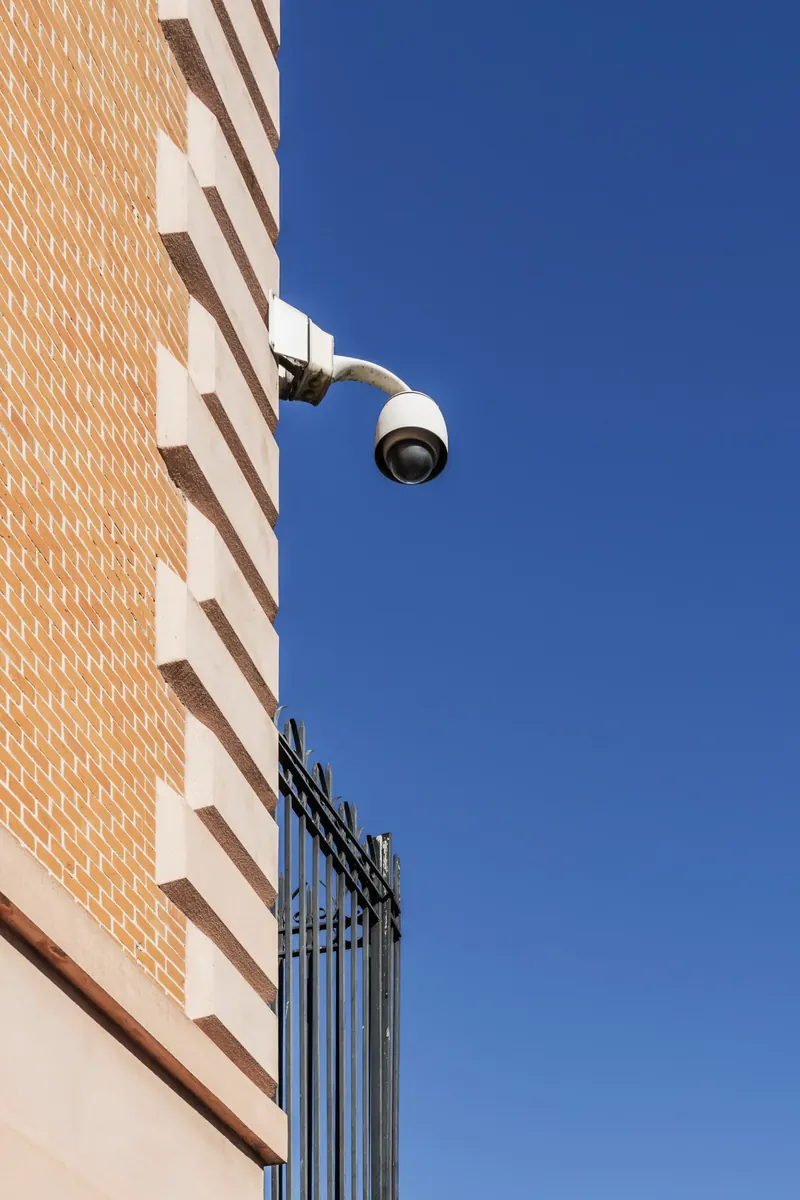
CCTV camera on the corner of a building against a blue sky

Power backup, networking and integration

Kenyan sites lose power often enough that every CCTV installation in Nairobi needs a plan for it. We usually fit a small online UPS for the recorder, switches and cameras. Our page on UPS backup for CCTV covers batteries and runtime in more detail.

On larger sites, cameras sit on a properly built network. Therefore our cabling team follows the same standards we use for structured cabling. We label every cable and patch point, so later repairs take minutes, not hours.

Maintenance and repair after installation

Cameras collect dust, spiders build webs across lenses and hard drives wear out. Because of this, we offer maintenance visits that clean and refocus cameras, check recording, test drives and update firmware. If your system was installed by someone else, we can still help. See our CCTV maintenance and repair service for details.

How it works

Equipment and brands we install

We install and support cameras and recorders from established manufacturers such as Hikvision and Dahua, and we can work with other brands already on your site. For each CCTV installation in Nairobi, we choose models with a reliable local supply of spares and firmware updates. Ask us about warranty terms when you receive the quote.

Why choose us

Why choose GS TechGuard for CCTV installation in Nairobi

  • One team for the whole job: cameras, cabling, power backup and network, so nothing falls between contractors.
  • Plans you can check: you see camera positions and views before work starts.
  • Tidy work: cables run in trunking or conduit, labelled at both ends.
  • Training included: your staff learn to find, export and share footage properly.
  • Support after handover: our technicians stay reachable for faults, upgrades and maintenance.

We cover Nairobi suburbs such as Westlands, Kilimani, Karen, Embakasi and Industrial Area, and we travel countrywide. To start, request a quote or call us for a site survey. It is the quickest way to get a CCTV installation in Nairobi that fits your site and budget.

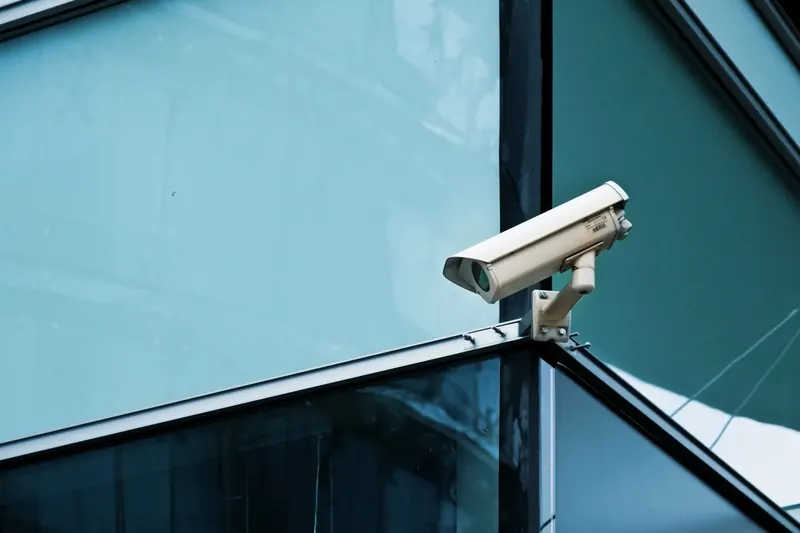
CCTV camera on the corner of a glass office building

Get started

Book a site survey

Tell us about your site and an engineer will call you back within one working day to discuss your needs and arrange a visit.

  • Clear, itemised written quote
  • Security, network, fire and power from one team
  • Support and maintenance after handover

Prefer to talk? Call +254 184 379 590

We reply within one working day. Or call +254 184 379 590.

Frequently asked questions

How much does CCTV installation cost in Kenya?

A small 4-camera IP system for a home or office often costs between KSh 60,000 and KSh 120,000 installed. The final price depends on camera type, cable runs, storage days and mounting height. We give a written, itemised quote after a site survey, so you can compare it fairly with other offers.

How many cameras does my office or home need?

Start with entrances, then add views that cover the paths people take, such as corridors, the parking area and the gate. A small office often needs 4 to 8 cameras, and a family home 4 to 6. During the survey we mark each view on a plan, so you only pay for cameras that do a clear job.

Can I view my CCTV on my phone?

Yes. We set up the manufacturer's app on Android or iPhone with a separate login for each user. You can watch live video, play back recordings and get alerts. We also secure the connection with strong passwords and updated firmware, so remote access does not open a door into your network.

How long is CCTV footage stored?

It depends on the drive size, number of cameras and recording settings. Most of our business systems keep between 14 and 30 days of footage. If you need longer, we add larger drives or switch some cameras to motion recording. Keep only what you need, in line with the Data Protection Act.

Do you maintain systems you did not install?

Yes. We regularly take over systems that another installer set up. We start with a health check of cameras, cabling, recorder and drives, then give you a report and a fixed price for repairs. After that, you can choose single visits or a yearly maintenance plan.

Areas we serve

Installed and supported across Kenya

Our Nairobi team travels to sites countrywide. Choose your town for local details.

Planning a project or fixing a fault?

Tell us about the site. We will arrange a survey, give you a clear written quote and explain the options in plain language.

CallWhatsAppAsk usQuote