Mon to Fri, 8:00am to 5:00pmUtalii Court, Gesora Road, Nairobi

+254 184 379 590+254 719 450 317 Altinfo@gstechguard.co.ke

Our work

Projects and Case Studies

This page shows the kind of installation projects in Kenya that GS TechGuard delivers, from CCTV and access control to fire alarms, structured cabling, UPS power backup and industrial weighing. Each example sets out the site, the problem, the scope and the result, so you can picture what a project with us looks like.

  • Typical scopes across security, network, fire and power
  • What each project involved, step by step
  • Named case studies added with client permission
GS TechGuard technician mounting a camera during one of our installation projects in Kenya

However, words on a service page only go so far. Most clients want to see what a project actually involves: what the site needed, what we installed, how long it took and what changed afterwards. So this page brings together representative installation projects in Kenya across the systems we deliver.

About these examples

The examples below describe typical scopes based on the kinds of sites we work on. We do not publish client names, photos or locations without written permission. As clients approve them, we add named case studies with photos. If you would like to speak to a past client in your sector, ask us for a reference.

How it works

How to read each project example

Each example follows the same structure, so you can compare them easily. In addition, each one links to the service page that explains the work in more detail:

  • Site: the type of building and its use.
  • Problem: what the client wanted to fix or achieve.
  • Scope: the systems we designed and installed.
  • Equipment: the main components, described by type.
  • Typical outcome: what usually changes after handover.

How it works

Security and surveillance projects

Apartment block CCTV and intercom installation project

Site: a residential block of about 40 flats in Nairobi, where most residents work during the day. Problem: residents complained because the old intercom crackled and rarely rang the right flat, and the CCTV recorder had failed months before anyone noticed. Scope: we replaced the intercom with an IP video system, added card access at the lobby and pedestrian gate, installed 16 IP cameras and fitted a UPS for the gate equipment. Typical outcome: residents now see visitors on monitors or phones, guards log visitors more easily and recordings run for 30 days. See our video intercom systems page.

Warehouse camera installation project

Site: a distribution warehouse in an industrial area, busy from early morning until late evening. Problem: recurring stock differences at dispatch, with no clear images of trucks being loaded. Scope: 32 cameras covering each loading bay, the yard and the gate, line-crossing alerts on the fence, a monitoring desk for the supervisor and time sync with the dispatch system. Typical outcome: supervisors can trace any pallet from bay to truck, and disputes with transporters are settled with footage. Our CCTV installation page explains the approach.


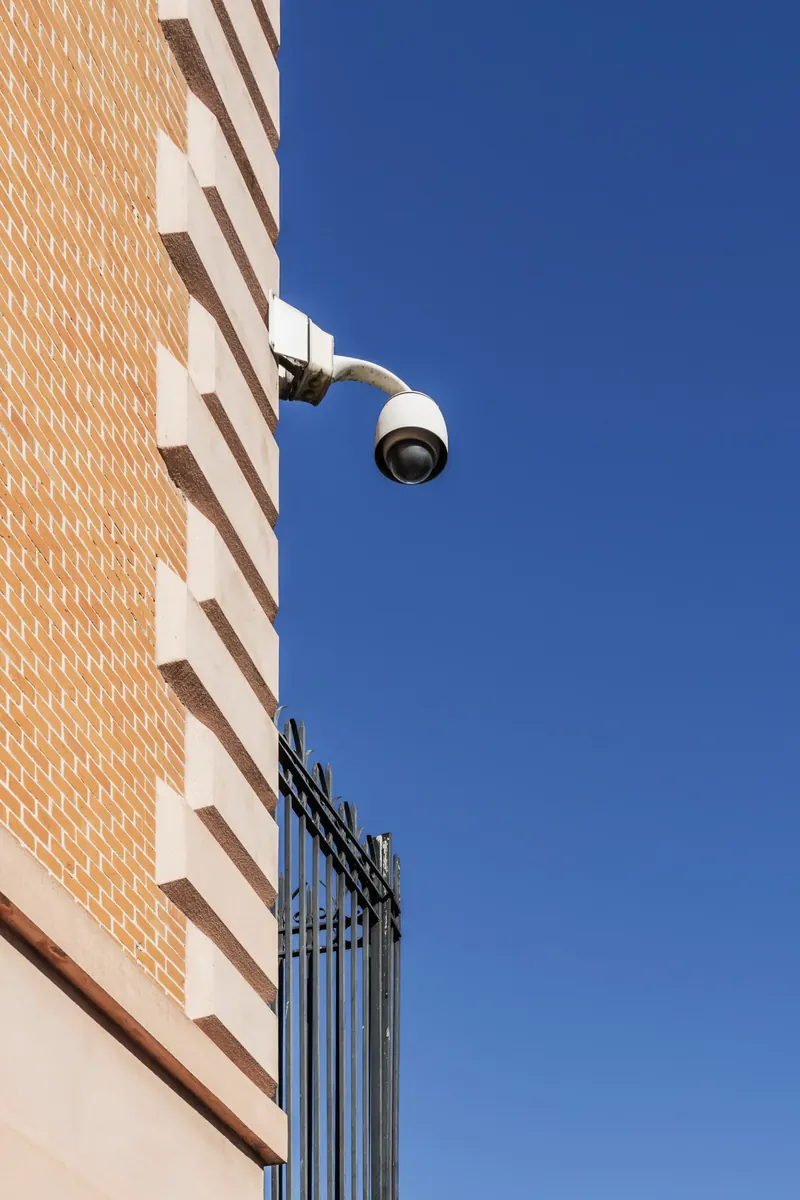
Dome cameras on a modern commercial building
Typical installation projects in Kenya combine cameras, access control and power backup.

How it works

Network infrastructure projects

Office cabling and Wi-Fi installation project

Site: a two-floor office of about 80 staff, moving from older premises. Problem: the client was moving into a new building, yet it had no cabling and the deadline was tight. Scope: 160 CAT6 data points, CAT6A to every access point, two racks with fibre between floors, business Wi-Fi with separate staff and guest networks, and full testing. Typical outcome: staff moved in on schedule, every link passed testing and the client received drawings, test reports and passwords. See structured cabling.

Site: a school campus with buildings spread across a large compound. Problem: the library and hostels had no network connection, and trenching would have been costly. Scope: point-to-point wireless links from the admin block to three remote buildings, outdoor-rated access points and a separate camera network. Typical outcome: fast, stable connections across the campus without digging trenches. See wireless point-to-point links.

How it works

Fire and life safety projects

Fire alarm installation project for a mixed-use building

Site: a mixed-use building with shops below and offices above. Problem: an old conventional system showed constant faults and had no records, while the annual fire safety audit was approaching. Scope: a new addressable fire alarm, heat detection in kitchens, door release links, emergency lighting on all escape routes, a logbook and staff training. Typical outcome: the panel now shows the exact device in alarm, false alarms dropped and the client had full records for the auditor. See fire alarm installation.

Safety officers checking fire extinguishers on a warehouse floor

How it works

Power and IT projects

Server room and UPS installation project

Site: a professional services office with a crowded server cupboard. Problem: the room was overheating, cables were tangled and the UPS failed during outages. Scope: a new rack with labelled patching, a split air conditioner sized for the heat load, an online UPS with an hour of runtime, temperature alerts and card access on the door. Typical outcome: outages stop causing unplanned downtime, and the room stays tidy and documented. See server room setup and UPS power backup.

Two professionals in a meeting with laptops

How it works

Industrial weighing projects

Factory scale calibration project

Site: a food factory with eight scales across receiving, production and dispatch. Problem: auditors asked for calibration records, but the factory could not produce them. Scope: an equipment register, on-site calibration with traceable test weights, repairs to two load cells and a quarterly schedule. Typical outcome: complete records for the next audit and early warning of scale problems. See weighing scale calibration.

Engineer operating a computer-controlled machine in a factory

How it works

What every installation project in Kenya includes

Whatever the system, our installation projects in Kenya share a few habits:

  • a site survey and written scope before any work starts;
  • an itemised quote with brands and quantities;
  • neat cabling in proper containment;
  • testing and commissioning with recorded results;
  • training for the people who will use the system;
  • drawings, passwords and records handed over to you;
  • maintenance options after handover.

Questions

Questions to ask before your project starts

Before any installation project in Kenya begins, it pays to ask a few simple questions. Who will be the contact on site each day? Which areas must stay open while work happens? When can noisy work take place? Who needs training at the end? Also, where should drawings and passwords be stored? Agreeing these points early prevents most of the small frustrations that slow projects down. In addition, it helps your staff prepare, so handover feels smooth rather than rushed.

What clients usually tell us afterwards

After handover, clients often mention the same things. First, they notice how tidy the installation looks, because cables run in proper trunking and racks are labelled. Second, they value the documents, since drawings and passwords make later changes easy. Third, they appreciate training, because staff can actually use the system rather than calling for help every week. Finally, they like having one contact for several systems. These comments shape how we run every installation project in Kenya, whatever its size.

How long installation projects in Kenya usually take

Small jobs, such as a four-camera system or two access-controlled doors, are often finished in a day or two. Medium projects, such as an office fit-out or an apartment block upgrade, usually take one to three weeks. Large projects, such as a hospital fire alarm or a campus network, can run for several months in phases. In each case, we agree a schedule at the start and keep you updated as work progresses. Moreover, we plan noisy work around your operations, so business continues while we install.

How it works

Share your project with us

Also, if you are a past client and are happy for us to feature your project, we would be grateful. We agree the wording and photos with you before anything is published, and we can leave out your name or location if you prefer. Case studies help other organisations understand what is possible and make better decisions.

How it works

Planning your own installation project in Kenya

Staff member using a tablet in an office

Every installation project in Kenya we deliver begins the same way: a conversation and a site survey. Tell us about your site and what you want to change. We will visit, listen and give you a written plan with priorities and costs. For budgets, see our security systems price guide, and for sector advice, see our solutions by sector. When you are ready, request a site survey.

For guidance on the rules behind many of these projects, the Directorate of Occupational Safety and Health Services and the Office of the Data Protection Commissioner publish useful material for organisations.

Get started

Book a site survey

Tell us about your site and an engineer will call you back within one working day to discuss your needs and arrange a visit.

  • Clear, itemised written quote
  • Security, network, fire and power from one team
  • Support and maintenance after handover

Prefer to talk? Call +254 184 379 590

We reply within one working day. Or call +254 184 379 590.

Frequently asked questions

Can I speak to a past client?

Yes. Ask us for a reference in your sector, and we will connect you with a client who has agreed to share their experience. We protect client privacy, so we only share contact details with permission.

Why are some case studies unnamed?

Many clients prefer not to publish details of their security systems. We describe typical scopes without names unless the client gives written permission. Named case studies with photos are added as clients approve them.

How long does a typical project take?

Small projects, such as a 4-camera CCTV system or a few access-controlled doors, often take one or two days. Office fit-outs and larger security or fire projects take one to several weeks, depending on size and access. We give you a schedule with the quote.

Do you handle projects outside Nairobi?

Yes. We deliver projects across Kenya, including Mombasa, Kisumu, Nakuru, Eldoret, Thika and other towns. Our team plans travel and logistics so work runs efficiently.

Planning a project or fixing a fault?

Tell us about the site. We will arrange a survey, give you a clear written quote and explain the options in plain language.

CallWhatsAppAsk usQuote